
March Gardening in Malta: Preparing for Spring Success
Updated: Mar 17
What March Is Like in Malta (And Why Soil Activation Matters)
By March:
Daylight increases rapidly.
Soil begins warming below the surface.
Rainfall becomes less frequent but still possible.
Wind exposure remains high.
This is when soil biology begins shifting from winter dormancy into activity. Microbial life responds to rising temperatures and stable moisture, meaning root growth can accelerate if conditions are right. Instead of focusing on fast feeding, March is about:
Supporting microbial activation.
Protecting structure.
Preparing for the warm-season transition.
What to Sow in March Outdoors in Malta & Gozo
Based on local seasonal patterns and Mediterranean growing conditions, March is ideal for the following:
Direct Sow Outdoors
Green beans
Beetroot
Lettuce
Rocket
Spinach
Radish
Parsley
Coriander
Carrots (still viable)
Kohlrabi
Still Strong (Early March)
Peas
Broad beans
Brassicas (cabbage, broccoli, cauliflower)
Warm-Season Crops (Protected or Nursery Starts)
Tomatoes
Peppers
Aubergines
Courgettes
⚠️ While Malta warms earlier than much of Europe, outdoor transplanting of tomatoes and peppers is more reliable from April onwards unless protected from wind and temperature dips.
March Soil Focus: Activation & Root Expansion
March is where soil preparation determines how strong your April and May crops will be.
1) Encourage Biological Activation
As soil warms:
Keep moisture consistent (not waterlogged, not dry).
Avoid deep tilling or heavy disturbance.
Apply a light compost top-dress if not done in February.
Microbes need stability to multiply; erratic watering slows activation.
2) Strengthen the Root Zone Before Rapid Growth
Plants in March invest heavily in root systems. Support this by:
Improving soil structure, not just fertility.
Maintaining aeration.
Avoiding excessive nitrogen early.
Overfeeding too soon can create weak top growth before roots are established.
3) Avoid Early-Season Mistakes
Common March issues in Malta include:
Working soil while still wet (causes compaction).
Overwatering warming soil.
Starting too many warm crops too early.
Remember: soil temperature matters more than air temperature.
Container Growing in March
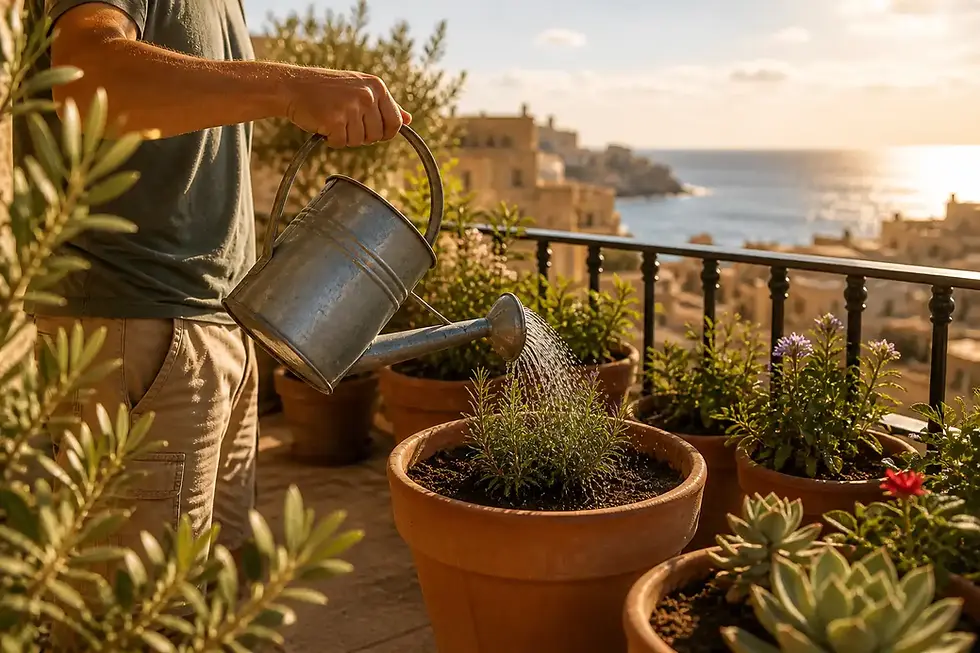
Balcony and rooftop growers should:
Refresh the top 5–10 cm of potting mix.
Improve drainage if winter compaction occurred.
Ensure pots are elevated to avoid waterlogging.
March is the final opportunity to prepare containers properly before rapid spring growth increases water demand.
What’s in Season Locally (Food Awareness)
Seasonal calendars in Malta Agrokatina-Guide_download show that late winter and early spring remain strong for:
Brassicas
Root vegetables
Broad beans
Early greens
Warm-season crops such as tomatoes, peppers, melons, and aubergines peak later in spring and summer. Growing in alignment with seasonal patterns improves resilience and reduces input requirements.
March Gardening Checklist (Malta & Gozo)
☐ Direct sow beans, greens, and roots
☐ Start warm crops in protected environments
☐ Apply light compost top-dress
☐ Avoid disturbing wet soil
☐ Monitor soil moisture consistency
☐ Prepare supports for climbing crops

How TerraSoil Supports March Planting
March is about building biological momentum. For containers:
Refresh and aerate existing mixes.
Improve moisture retention without reducing drainage.
For in-ground beds:
Focus on structure and steady nutrient cycling.
Build soil resilience before April growth accelerates.
A biologically active, well-structured soil in March reduces intervention later in the season.
As we embrace the spring season, let's remember that nurturing our soil is essential for thriving crops. By focusing on sustainable practices, we can ensure a bountiful harvest.
→ Next: April Growing Calendar


Comments